Read more at:
Samsung makes some of the best iPhone alternatives on the market, competing directly with Apple when it comes to phone durability, hardware, and camera capabilities. However, Samsung flagship phones, including the Galaxy S26 models launched in late February 2026, depreciate much faster than iPhones. For example, the iPhone 17 series is nearly one year old, as Apple unveiled the iPhone 17, iPhone Air, iPhone 17 Pro, and iPhone 17 Pro Max in mid-September 2025. But all four iPhone models have depreciated more slowly than most Galaxy S26 handsets, even the iPhone Air, which hasn’t seen the same strong market reception as the other three.
The same phenomenon has been observed in previous years. Companies that track the second-hand smartphone market usually point out the iPhone’s stronger value retention over its direct competitors, including Samsung devices. Put differently, a smartphone buyer who isn’t loyal to one of the main mobile platforms, iOS and Android, and wants to buy a flagship handset for the lowest net ownership cost should choose iPhones over Galaxy S handsets even if the devices have the same starting price point. The price paid to use the handset for a specific number of years would be the difference between the purchase price and the resale price. In this scenario, a user would recoup more money from an iPhone purchase than a Galaxy S purchase. They could then repeat the process with future models.
Consumers who routinely upgrade their handsets after one or two years of use may benefit from this resale strategy the most. One-year-old iPhones would still perform well. After all, Apple keeps one-year-old iPhones in stock for another year. Buyers would still get more money back for one-year-old iPhones compared to one-year-old Galaxy S phones.
Galaxy phones depreciate almost immediately
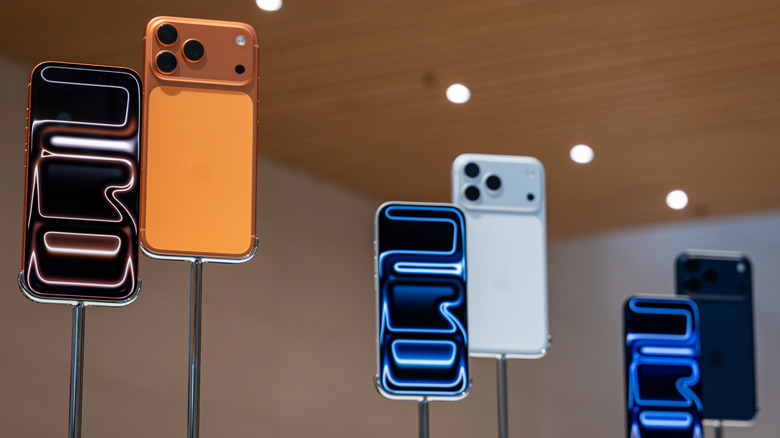
In addition to durable design and strong performance, the iPhone also gets better long-term software support. Apple routinely provides iPhone owners five or six years of iOS updates. The 2019 iPhone 11 series can be updated to iOS 27, which will be released in September 2026. Samsung has matched, and even exceeded, Apple’s practice. In 2024, Samsung introduced a commitment to provide seven years of major Android releases and security updates for high-end smartphones like the Galaxy S models. That should increase the value of Galaxy S handsets for buyers who want to use the handsets for a longer time. But it hasn’t improved the Galaxy S depreciation rate.
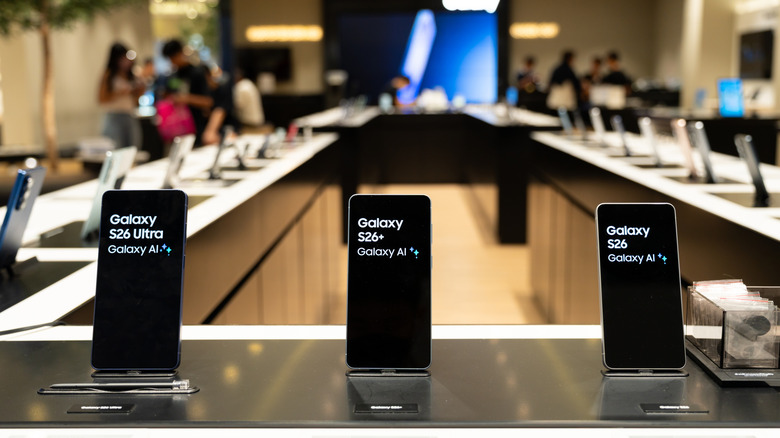
The Galaxy S26 phones have depreciated faster than the iPhone 17 series, despite being available in stores for about four months. Here are the average sale prices for all 256 GB Galaxy S26 and 256 GB iPhone 17 models according to Swappa, as of mid-July 2026:
- Galaxy S26: $612 (Swappa) vs. $899.99 (starting price) — value retained: 68.00%
- Galaxy S26 Plus: $724 (Swappa) vs. $1,099.99 (starting price) – value retained: 65.82%
- Galaxy S26 Ultra: $875 (Swappa) vs. $1,299.99 (starting price) – value retained: 67.31%
- iPhone 17: $699 (Swappa) vs. $799 (starting price) – value retained: 87.47%
- iPhone Air: $709 (Swappa) vs. $999 (starting price) – value retained: 70.97%
- iPhone 17 Pro: $952 (Swappa) vs. $1,099 (starting price) – value retained: 86.62%
- iPhone 17 Pro Max: $1,073 (Swappa) vs. $1,199 (starting price) – value retained: 89.49%
A look at the Swappa data above indicates that the Galaxy S26 models lost more than 30% of their value in less than six months, while three iPhone 17 models depreciated by less than 15%. The iPhone Air is an exception, with a depreciation rate of nearly 30%.
A used Galaxy S can be a better deal than a used iPhone
The other three iPhone 17 models were routinely sold out during the first three months of sales. The data above indicates a different smartphone purchase strategy can benefit some consumers. Buyers on a tighter budget may consider buying a used Galaxy S26 flagship instead of a cheaper Android phone. The Galaxy S25 FE starts at $649.99 before any discounts. A used Galaxy S26 can be cheaper and will offer better overall performance. The same consideration can apply to previous Galaxy S and iPhone generations.
A SellCell report from August 2025 projected that Samsung Galaxy S phones would match in mid-2026 the iPhone’s average retained value at five months after launch. The company looked at historic trends that showed the iPhone depreciation rate increased from 24.7% in 2021 to 35.4% in 2024. At the same time, the Galaxy S depreciation rate had improved, falling from 51.9% in 2022 to 46.6% in 2025. However, SellCell estimates couldn’t have predicted the popularity of the iPhone 17 series.
Also, while the company believed that Apple and Samsung flagship phones would have identical depreciation rates at five months, it still expected Galaxy S phones to depreciate faster than iPhones the longer they were in use. SellCell projected that the Galaxy S would match the iPhone’s nine-month depreciation rate only in 2028. SellCell pointed to AI as one of the reasons Android phones have experienced improvements in value retention. Apple’s Apple Intelligence and new Siri features unveiled at WWDC 2026 for iOS 27 have impressed early testers. They may play a role in iPhone value retention. SellCell acknowledged that the then-unreleased iPhone 17 series and future AI improvements could influence the depreciation rate of the iPhone.