Read more at:
If you went shopping for a television in late 2003, you might have stumbled across a familiar brand name that seemed completely outside of its usual territory: Dell. Yes, the undisputed king of chunky desktop towers was suddenly selling LCD TVs. However, the venture was short-lived, as the company halted production just a few years later in 2007. What caused yet another huge shift in direction for the Texas-based PC giant? The short answer is Dell ultimately wanted to keep its focus on computers, not TVs.
At the time, Dell was practically untouchable in the hardware space, and its mail-order computer business was booming. Meanwhile, the market for home entertainment goods was in the midst of a revolution. Bulky CRT televisions were starting to die out, and sleek, flat panels were the ultimate must-have gadget then. But Dell wasn’t just throwing spaghetti at the wall here to see what stuck; its executives had a grand vision for the future. They pictured a modern living room where the family PC served as the ultimate entertainment hub, which would be hooked up to (you guessed it) a huge, vibrant, Dell-branded display.
Since the company was already churning out millions of computer monitors for offices around the world, jumping into the consumer television game felt like an easy, profitable win. Dell’s executives likely figured they could just use their massive supply chain to build screens cheaply, and tap into their endless list of existing loyal computer buyers to essentially take over people’s living rooms overnight. It was a bold plan, to be sure.
Why and when Dell finally ended up pulling the TV plug
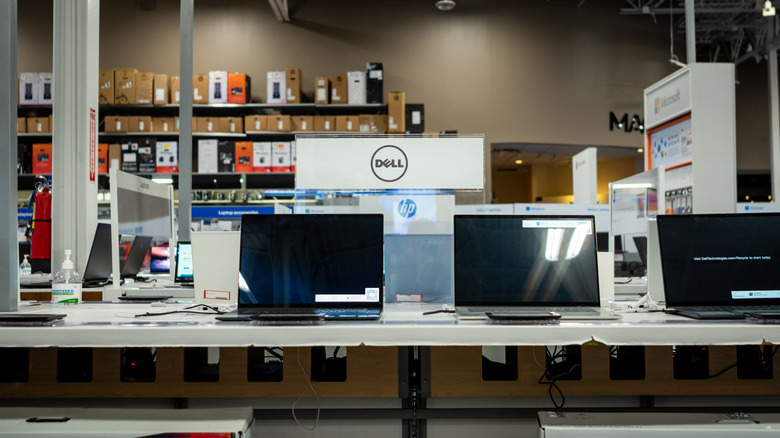
Dell’s seemingly out-of-nowhere obsession with conquering the living room eventually started to hurt its main hustle. Right around the time it was trying to convince everyday consumers to buy Dell home theaters, the company lost its coveted crown as the world’s number one PC maker to its biggest rival: Hewlett-Packard, also known as HP. It’s unsurprising that other underrated PC brands that can compete with Dell flourished as well.
By 2007, the writing was permanently on the wall. Founder Michael Dell stepped back into the CEO role to clean up the mess and steady the ship, and one of his first strategic moves there was to slash the company’s sprawling TV lineup. By the middle of that year, Dell-branded televisions were retired for good.
The reason for the sudden exit was incredibly simple: Dell wanted to refocus on the computer side of the business. The television experiment was decidedly not a worthwhile distraction, and it wasn’t paying the bills. By walking away from the cutthroat television market, Dell was able to pour its energy and cash back into what it did best: making laptops, desktops, and premium enterprise gear, despite Dell’s laptops having some common problems. Following that venture, however, the company did decide it would start putting its computers in Walmart, so they would be just as visible to shoppers as those from other brands were. Swallowing its pride and leaving the living room behind wasn’t just a hasty retreat, it was a good survival tactic that kept its core PC empire alive and thriving.
All about Dell’s short-lived LCD television experiment

Dell’s original game plan for its TV empire was straightforward: sell reasonably priced TVs directly to shoppers through the company’s website, completely undercutting the other electronics brands. And for a hot minute, the tech world was abuzz over this. Early adopters loved the aggressive discounts, which were part of the same pricing model that made Dell’s online-only customized computers so incredibly popular in the first place.
But as it turned out, creating best selling TVs is a totally different beast than shipping a business workstation or gaming rig. While Dell was an absolute champion when it came to the online checkout cart, everyday TV shoppers in the 2000s weren’t quite ready to buy a main living room screen sight unseen (an understandable sentiment, even today). Even today, people still prefer to walk into a Best Buy or Circuit City, stare at a giant wall of glowing screens, compare the colors side-by-side, and haul an enormous cardboard box out to their minivan. Dell’s online-only setup just couldn’t match the crucial in-store experience. That, and a choice to stay focused on computers, is ultimately what killed the company’s TV venture.