Read more at:
We may receive a commission on purchases made from links.
If you’ve owned Nest or Google smart home products for some time, you’re well aware there was previously a subscription service called Nest Aware. Namely, it was a useful cloud service for Nest smart security cameras to store video history as needed. Nest Aware is now Google Home Premium, with a few feature upgrades, which also incorporates Gemini AI for quick automations and live conversations via speakers and displays, among other uses. If you had a Nest Aware subscription, it swapped to Google Home Premium, and if you buy a new Nest device, Home Premium is the subscription you’ll be offered. It’s a unified subscription for all Google Home and Nest devices, and you can even take advantage of a 30-day trial to test it out. But what happens when that subscription ends? Do your devices stop working altogether?
The straightforward answer is your devices continue to work, for the most part, but you lose some of the advanced features. It really depends on the devices you own. Outside of the advanced features, most devices should continue operating with basic functions still available. Security cameras, for example, lose out on 30 to 60 day event video history, but you should still be able to view the live feed. 10-day constant video backups for things like a Nest Video doorbell also go away. Meanwhile, some smart features and AI-powered smart alerts will stop working for other devices, such as your Nest displays.
If you cancel, or let your subscription lapse, you also lose sound and video clips saved in the cloud. You’ll want to backup any important clips or files before going through with hitting cancel.
What Google Home and Nest devices can you use without a subscription?
The good news is that you can pretty much use most Google Home and Nest devices without paying for a premium subscription. That includes Google Home smart speakers, displays, streaming devices, Nest thermostats, security cameras, doorbells, and networking equipment. What you’ll lose is access to some of the more advanced security, cloud, and AI features. That’s also one of the major disadvantages of using the Google Home app as a smart hub for your connected devices, some options are locked behind a paywall.
Because there are so many devices, each with their own differences, it would be nonsensical to list everything here and explain what the premium service unlocks. Google does maintain a list of supported features at its support page. Some devices like the Nest Thermostat Gen 4 don’t need a subscription at all — it’s optional.
To give you another example, old Google Home speakers are still supported; anything from 2015 on, anyway. You can call upon the basic home assistant as-is. There’s still a lot it can do. You can control smart home devices, conduct simple search queries, listen or play media, plan your day with calendar support, set alarms or timers, and much more. However, a Google Premium subscription will net you access to Gemini Live, the advanced AI-powered assistant that gives more natural answers. It’s part of Google’s latest smart home upgrade, and it certainly changes how you interact with your smart home. You can ask it for recipes, spark up continued conversations, and so on. But you lose out on a lot of that without the paid plan. Whether that’s worth the cost or not is purely subjective.
When should I replace Google Home or Nest devices?
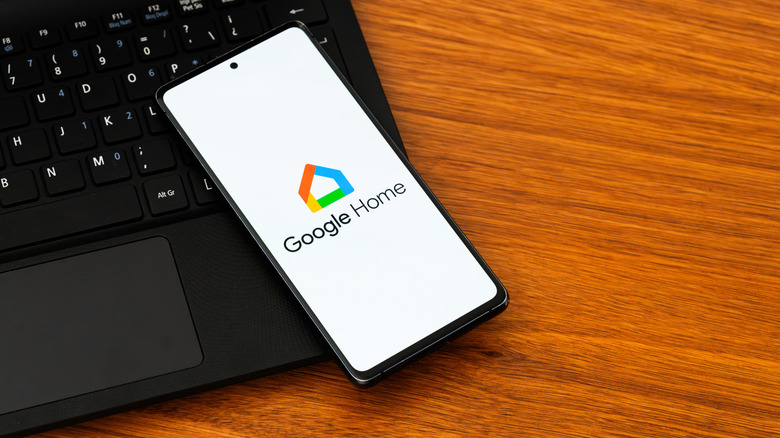
If and when a subscription lapses, and you lose features, it makes sense to start thinking about replacements. Whether that was part of the original plan or not, losing access to features can be downright frustrating and could significantly reduce the usefulness of a device. Without Google Home Premium you can still use many of your smart home products as intended, it’s the advanced stuff that goes away. But that also depends on the product.
Losing a few features in a smart speaker is a little different than losing features in a security camera. Cloud video storage and footage backups for security cameras can be incredibly valuable, especially when you need that footage as evidence or to reference later. Without cloud backups, you’re exclusively pushed to the live feed, which isn’t really going to help if you need to recall audio or video. It might make a lot of sense then to replace a Nest video doorbell or a security camera that has no cloud access. You can find alternatives that offer local storage — both video doorbells with local storage and security cameras with local storage — or systems that make local cloud backups to a device like Reolink’s Home Hub, no subscriptions necessary.
However, losing Google Home Premium access is not the same as losing critical security and software support for discontinued devices. In other words, as long as your Google Home or Nest product has not reached its end of life, it’ll continue to be supported by the company and should be safe to use. Google says Nest devices will receive security support for up to five years after they’ve launched. You don’t need a subscription to access standard updates.