Read more at:
Apple is expected to launch a special iPhone model next year to mark 20 years of iPhone sales. The new device, also known as the iPhone 20, is expected to introduce a new screen design, just like the iPhone X did in 2017. A Bloomberg report claims the all-glass iPhone 20 will feature a display with no cutouts at the top. The screen should also feature curved edges on all four sides, similar to the Apple Watch display. If these rumors are accurate, the iPhone 20 will have a display unlike any other smartphone on the market. The selfie camera would be placed under the screen, something the main Android flagships are yet to offer.
However, a more recent wave of iPhone 18 reports triggered comments from retired display expert Ross Young, who suggested on X that the iPhone 20 may not get the rumored display design some users may want: a screen with no design compromise whatsoever, like the camera cutouts seen on current iPhone models. The display expert expects the hole-punch camera to remain at the top when the iPhone 20 launches next year.
Placing the camera under the display is only a good idea if Apple can ensure camera quality isn’t impacted. Samsung introduced its under-display camera (UDC) technology with the Galaxy Z Fold 3 (2021) foldable and kept it until the Galaxy Z Fold 6 generation (2024) – but those devices also feature regular hole-punch cameras on the cover screens. After launching the Galaxy Z Fold 4 in 2022, Samsung explained the trade-offs between UDC offering an uninterrupted display experience and the camera quality. “UDC can suffer from poor image quality caused by diffraction artifacts, which result in flare, saturation, blur, and haze,” Samsung explained.
The iPhone display confusion
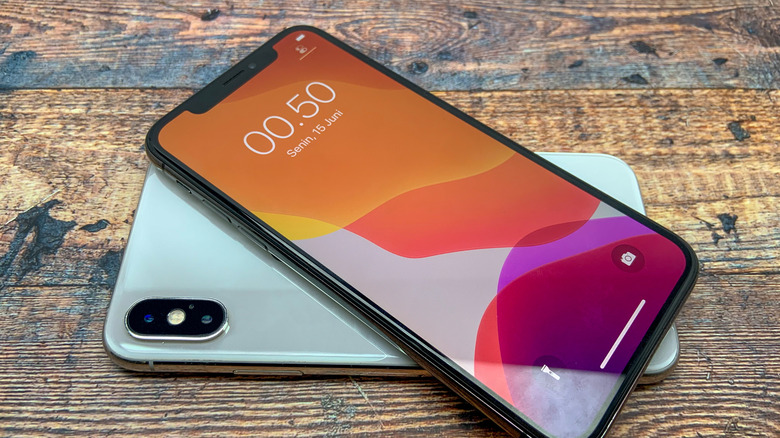
Apple’s expected redesign of iPhone 18 Pro models includes moving some Face ID components under the display. But leaks have offered conflicting reports on the placement of the front camera. Some said the selfie camera would sit in the top left corner instead of the center of the screen. Others claimed the selfie camera will not change position, but the Dynamic Island will be slightly smaller. Commenting on this discrepancy between leakers, Ross Young reaffirmed on January 21 a view he offered last June. “I was saying that not all Face ID components will be under a transparent area of the display, resulting in a smaller notch,” he wrote on X, adding that the 2027 iPhones should maintain the same look as the 2026 models. In additional replies, Young added that the 2028 iPhones will likely still feature a punch-hole camera and that the smaller notch is set in the center.
Probably 3 stages:
2026 – smaller notch as some under panel Face ID elements remain in the notch rather than transparent under the panel.2028 – all under panel Face ID elements except the selfie camera are hidden under the panel without a notch. Selfie camera remains separate…
— Ross Young (@DSCCRoss) June 23, 2025
Last June, Young said Apple may adopt an all-screen iPhone design in three stages, signaling the iPhone 20 would not feature the all-screen panel mentioned in other leaks. First, Apple would introduce a smaller notch in 2026, “as some under-panel Face ID elements remain in the notch rather than transparent under the panel.” In 2028, all Face ID elements may be moved under the display, but the selfie camera would still punch through the display. Apple would then move the selfie camera under the panel in 2030.
On the other hand, leakers and analysts can be wrong. Apple may surprise consumers with an all-screen iPhone next year, launching alongside models with regular Dynamic Island displays. After all, Apple did it in 2017, when the all-screen iPhone X design arrived alongside the iPhone 8 models, which featured Touch ID home buttons.
The selfie camera performance is non-negotiable
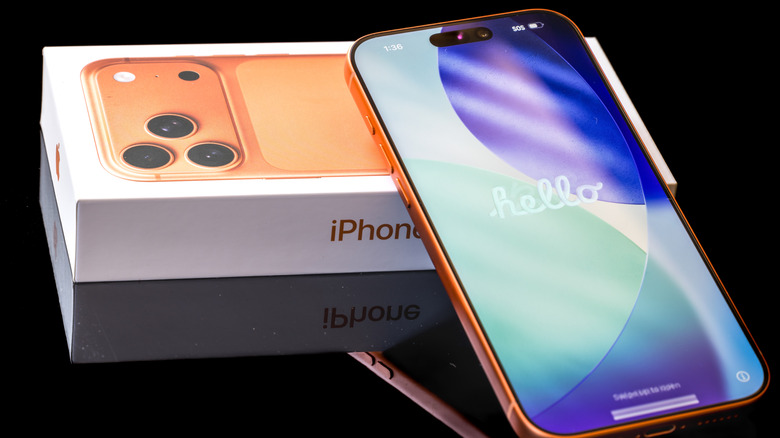
Should the iPhone 20 introduce an under-display camera, all iPhones that follow it will probably inherit its design. But for that to happen, the under-screen selfie camera experience has to match what’s available from traditional hole-punch cameras. Currently, the cameras on iPhone Air and iPhone 17 models feature Apple’s most advanced lens. The 18-megapixel Center Stage camera has a larger sensor than before, which allows users to take landscape and portrait photos without changing the screen orientation. The camera supports Center Stage for photos and videos, video stabilization, and a Dual Capture mode that lets you record clips with both the front and back camera systems. This upgrade underscores how important the selfie camera is for smartphone users. It’s not just about photography; the selfie camera is important for video calling via FaceTime and other apps.
Galaxy Z Fold 3 reviews showed the UDC experience could not match the hole-punch camera. Tom’s Guide found that the under-display camera produced blurry and hazy images like older phones. Indoor photography was even worse, with the UDC performance matching a laptop webcam. The video quality during calls was also lacking. Years later, in our Galaxy Z Fold 6 review, we concluded that the in-display selfie camera may be good for video calls, but users should avoid taking selfies with it.
Apple is also rumored to introduce an under-display camera for the iPhone Fold this year. If the rumor is accurate, the iPhone Fold will give Apple the chance to test under-display selfie cameras in the wild, without worrying about pushback like Samsung. These tests may pave the way for universal under-display selfie cameras in iPhones in the upcoming years.