Read more at:
Getting home solar power installed is the ultimate tech flex. You get to shrink your carbon footprint, stick it to your local utility company, and slash your monthly energy bill all at once. But here’s the thing: You can absolutely treat your solar panels as a set-it-and-forget-it proposition once it’s fully set up and the installation crew drives away. You’ll be getting free electricity to help run your home’s electronic gadgets for the next few decades, available even when the public grid goes down. However, as with any other tech, like your smartphone or laptop, your solar setup can work even better if you take some time to optimize it.
Why is this a big deal? Because environmental factors (and even some daily habits) have a sneaky way of quietly throttling your panels’ energy productivity, causing you to leave serious energy cost savings on the table. With electricity prices always on the climb, making sure your panels are working as hard as possible for you is a total no-brainer. The good news is that you don’t need an advanced degree in engineering to figure this out. Whether you’re thinking about installing solar panels or you already have some, getting the most out of your home solar power setup really just comes down to making a few simple tweaks to your routine and maybe adding a smart upgrade or two. If you want to stop wasting potential energy and start seeing a faster return on this gigantic investment, optimization is the way to go. Here are three easy ways to make your home’s solar power setup more efficient starting right now.
Eliminate shade sources and keep your panels spotless
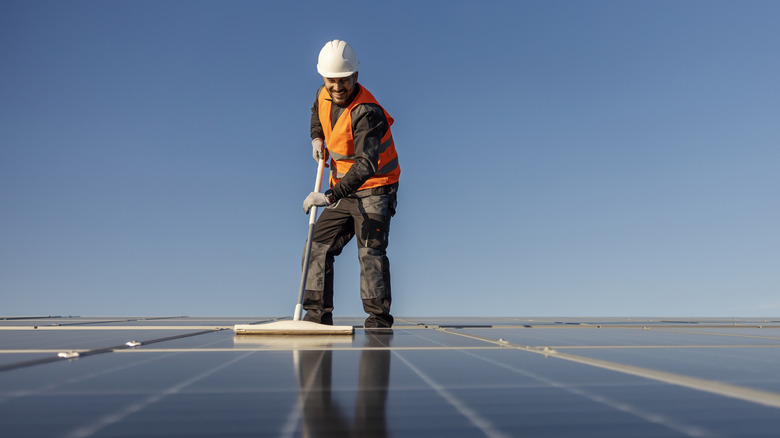
Think of your solar panels like a giant camera lens. If that lens gets smudged, you end up taking a useless photo. The exact same logic applies to your rooftop (or other) setup. Unsurprisingly, solar panels need a completely clear view of the sun in order to do their job well. And unfortunately, your solar panels could be losing most of their power to one thing you can barely see. Even a thin layer of grime can seriously disrupt their overall energy output. This can include gunk ranging from regular old dust to bird poop. And if you live somewhere dusty or that rarely gets heavy rain, this kind of invisible film builds up fast, which in turn knocks your panel efficiency a peg or two … or several.
A couple of times a year, hiring professional cleaners or grabbing a hose to wash that gunk off the panels yourself can instantly get your power generation levels back to normal. However, dirt isn’t the only sneaky performance killer out there for your panels: Shade is your system’s worst enemy. Because solar panels are wired together, a single rogue shadow from an overgrown tree branch can actually throttle the performance of your entire rooftop array. It’s basically like a traffic jam — one blocked lane slows down all the cars behind it. Do yourself a favor and take a hard look at your roof in the middle of the day. If you spot shade creeping over your panels, call a professional to trim back any parts of an overgrown tree. This will help keep the sky — and the sun — in clear view of the panels, and it’s the cheapest way to maximize your daily energy harvest.
Invest in a smart battery backup for your generated power
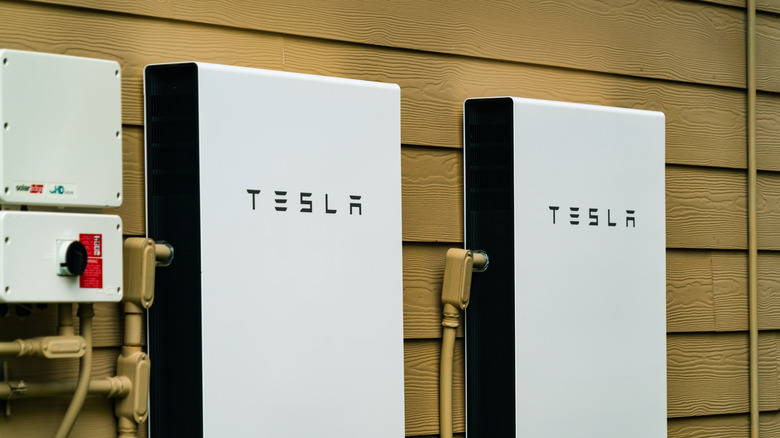
Having your own source of power generation is cool, but upgrading your setup with a giant, wall-mounted smart battery is the cherry on top. Here’s a secret the utility companies don’t want you to think about: During the middle of the day, it’s possible for your solar installation to generate way more electricity than your house is actually using. However, without a dedicated battery on site to store that power, all the extra juice just goes back into the public power grid. Sure, your utility company may pay you for that excess energy, usually in credits, but you’ll still have to pony up for any grid power you end up using if your battery runs out. That’s sort of a big deal and one of several things you should know before installing solar panel batteries in your home.
Adding a high-capacity smart battery into the mix can fix this problem instantly, though, with options like a Tesla Powerwall or an Anker SOLIX. Any power your panels generate will head to either your home or the battery first, as needed, then to the public grid if the battery fills up. Then, once evening rolls around and you start turning on the TV and air conditioning, your house runs off your stored battery power instead of immediately pulling expensive power from the grid. Plus, many of these batteries have companion smartphone apps that let you monitor your energy levels in real time from the couch. It essentially turns your house into its own independent (or, at least, far less dependent) microgrid, keeping your lights on during local blackouts. And, of course, keeping your hard-earned energy and money with you, where it belongs.
Run your heavy-duty appliances when the sun is out
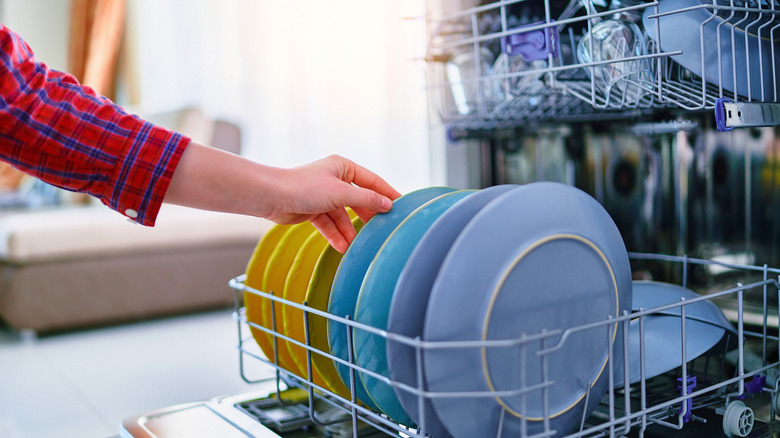
If you want to save money without buying any extra hardware, you definitely still can. All you need to do is simply change the time of day when you use your heavy appliances. This is known as load shifting, and it straight-up alters the math on your utility bills. Most folks end up doing their energy-heavy chores throughout the evening. But the problem with running your dishwasher, doing laundry, watching TV, or even charging your EV then is that you’ll end up paying higher peak hour rates.
To get around this and nab that solar panel efficiency, shift your power-intensive chores to the middle of the day. Late morning to mid-afternoon is when your panels are catching the most rays and generating free electricity at its absolute peak. If you can run your power-hungry gadgets during this window instead, you’ll literally be powering them for free (and that’s the name of the game, right?).
Obviously, you might be stuck at the office during these primo hours, but that’s exactly where modern tech can step in to save the day. Many newer washing machines and dishwashers have a built-in delay timer. Likewise, you can also use smart plugs to schedule tasks from your phone. Just set your heaviest appliances to kick on around noon while you’re away, and you can instantly stop wasting money on evening grid power.