Read more at:
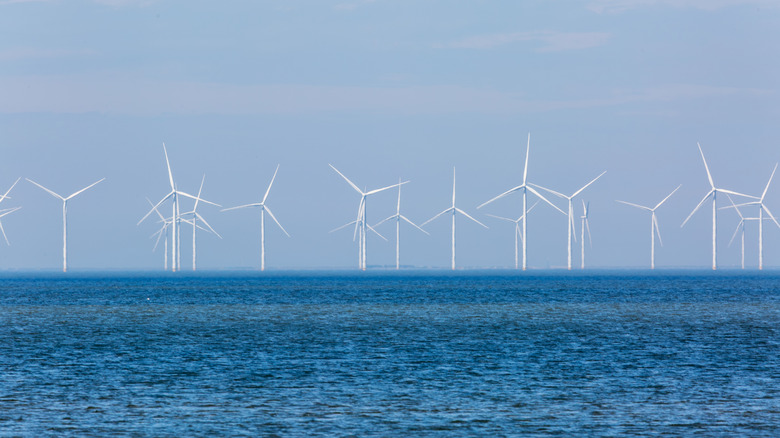
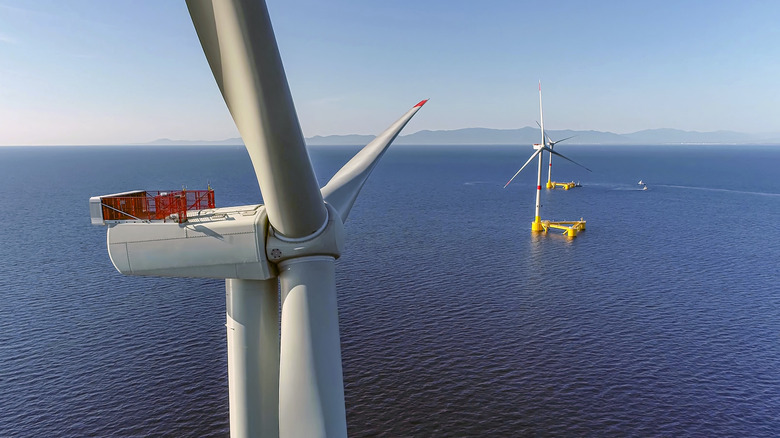
Wind energy is clean and sustainable, making it one of the best alternatives to the fossil fuel status quo. Critics might point to the major disadvantages of wind turbines, such as their inconsistency or propensity to kill birds, but the brightest minds of this generation are actively trying to bust those hurdles into oblivion. Same thing with offshore wind farms: challenges do exist, but at least these installations haven’t fully destroyed marine life. Quite the opposite, in fact. A floating wind farm in Portugal led to some species thriving, believe it or not.
Running the farm itself isn’t that big of a problem. The construction of wind turbines is, which requires pile driving, the process where vertical columns are forcefully inserted into the unexcavated seabed. As a result, sound waves propagate far through the water with each strike of the hydraulic hammer. This harms smaller species and large mammals such as the endangered North Atlantic right whale, since most marine life uses sound for orientation and hunting. Research confirms that the negative effect persists for over 72 hours after pile driving, with the abundance of marine life slowly decreasing over the construction period, which can go on for five months. In many cases, it takes nearly two years for the population of species such as porpoises to recover.
Since we’ve known this for decades, researchers have found a way to reduce the effects of wind farm construction on a variety of species, including the aforementioned whales. It may add a few million to the overall cost of the project, but the combo of deploying underwater noise reduction methods with properly timed schedules seems quite effective — so much so that it’s been shown to minimize the total noise exposure by 74%.
How do these mitigation methods work?
According to a study published in the Nature Climate Change magazine, the first line of defense is noise reduction technology. Popular methods are bubble curtains or double big bubble curtains. Both create an acoustic barrier that reduces pile driving noise, and they’re quite fascinating. The tech consists of a massive perforated hose installed on the seabed around the underwater construction site.
Once you pump in air, it releases bubbles from those small perforations that go toward the surface of the water, forming a literal curtain that blocks out the noise. Bubbles can only get you so far, but once you combine it with seasonal restrictions, it’s a two-pronged protection for the whales.
Researchers used a density surface model to map out and predict whale distribution and analyzed how various conditions like salinity and water depth impacted whale density. They found the seasons when whales are most active and suggested introducing seasonal pile driving restrictions, allowing construction from June to December. By doing work off-season, the simulation showed that whale exposure could drop from 236% to as little as 24%.
How much will it cost?
Despite all their benefits, wind farms can be costly and take almost a decade to fully pay off. So, when you think about it, tacking on additional expenditures could stall the project and, excuse the pun, leave it dead in the water. However, the study clearly outlined how much mitigating the noise will cost, and it’s not that much once you crunch the numbers. Installing a double big bubble curtain costs approximately $7 million, pushing overall costs to $95 million.
Of course, that’s physical barriers, but adjusting the construction schedule is a larger sacrifice than it seems at first glance. Constructing anything in winter is more challenging, as weather can cause significant delays, so axing all-year pile driving and limiting it to a 7-month window bumps up costs by around $6.44 million. Considering companies are always struggling to cut costs and maximize profits, it’s uncertain if adding to the bill will be financially feasible for them.
Yes, conservation of wildlife is important — there’s no doubt about it. Mitigation measures will represent a 7% slice of the total project, but it depends on project leaders whether they’ll sacrifice a small portion of the potential returns for less damage to marine life. Time will tell how environmentally conscious they (and we) become.