Read more at:
Much has been made about Microsoft’s next console, codenamed “Project Helix,” but with an estimated retail price of $1,000 or more, most people won’t be in a hurry to get one. Instead of spending this much during a time of unprecedented price hikes, many gamers are sticking with their existing hardware. However, this is only a temporary solution since eventually, every console stops receiving updates and support.
Thankfully, there’s still time before this happens to newer Xbox consoles. Microsoft has committed to releasing security updates for the Xbox Series X and Series S until at least November 10, 2028. That’s exactly eight years to the day since these consoles were released, though if support truly ends then, those consoles will have had the second-shortest lifespan of the last two console generations (after the original Wii, which lasted just 7.5 years).
This would represent a significant change, and one that puts Microsoft at odds with its competitors. The Xbox 360 was supported for nearly two decades and its rival, the PlayStation 4, only started removing some functionality in 2026. Nintendo, meanwhile, seems happy to keep updating the original Switch console, which released in 2016, in the short-term.
Is Xbox really ending support for the Series X, and what does that mean?
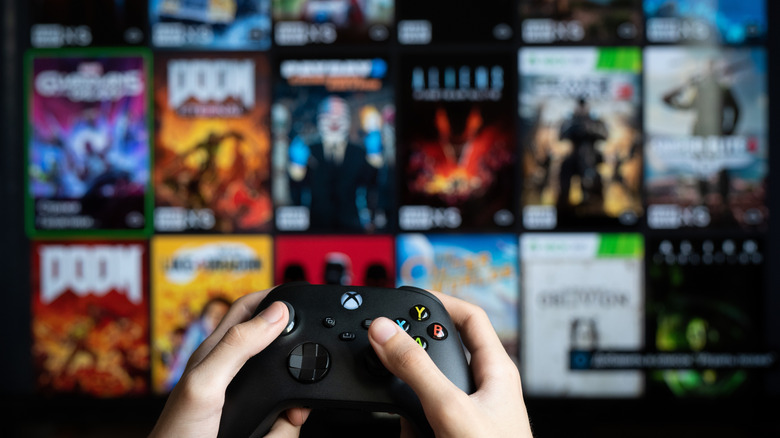
Microsoft’s announcement is more of a guarantee than a threat: If serious security vulnerabilities are found in your Xbox Series X console before November 10, 2028, the company promises to patch them. It also specifically says that this protection could be extended, and mentions that Xbox services are unaffected. In other words, you’ll still be able to play online games, use the Microsoft Store, and take advantage of cloud saves. Additionally, Microsoft will still repair Series X and S consoles so long as they’re under warranty.
Your old console might be sticking around for a while, though. In a report for Windows Central, journalist Jez Corden claims Microsoft expects the Series S and X consoles to “have a longer tail than usual.” That’s a lofty claim, but one that makes sense given RAM shortages, less-powerful competitors like the Switch 2, and the ongoing popularity of live service games.
Unfortunately, the decade-old Xbox One devices are being phased out so developers can focus on more-powerful hardware, though titles designed for newer consoles will remain accessible via Xbox Cloud Gaming.
What’s next for Microsoft?
Microsoft looks set to continue supporting Series X consoles for the foreseeable future, and just recently, added new features like postponing updates until you’re done playing. Of course, there’s no stopping progress, and everyone’s talking about Project Helix: the backwards-compatible, half-Xbox, half-PC console that’s expected to launch in Q4 of 2027. Concrete details remain few and far between, but it’s rumored to be at least as powerful as the upcoming PlayStation 6 using an AMD RDNA 5 graphics unit and Zen 6 processor.
This is a crucial moment for Microsoft’s new CEO, Asha Sharma. Shortly after joining the company, Sharma announced 3,200 layoffs and price increases for Series X consoles; hardware that is already several years old. Considering it’s possible to buy an equivalent Nvidia GPU for around $600, gamers may choose to ride out the hardware shortages instead of springing for a pricey new console. While consumers welcomed a reduction in the cost of Game Pass subscriptions, Xbox needs continued goodwill for success, not just headline-grabbing announcements.