Read more at:
When Apple launched the first iPod in 2001, it must have had an inkling that this cute little music player would be a global hit. Folks no longer had to waste time fumbling around with unreliable cassette tapes, or carry around a bulky bag of CDs or MiniDiscs. Instead, the original 5GB iPod promised “1,000 songs in your pocket.” Thirteen years later, when Apple discontinued the device, some 400 million of them had been sold to music fans around the world. If you look online, you can still buy an iPod in 2026 — including the sixth-and-final generation iPod Classic.
The controls of an iPod are a little different from what we use today, and perhaps there is no better example than the little sliding switch on the top. Located across from the headphone jack and labeled “Hold,” the switch functions as a lock to prevent you from accidentally interfering with your iPod’s settings and possibly disrupting playback. You lock the iPod simply by sliding the switch across. An orange mark beneath the switch confirms that it’s activated and that the settings are locked. Unlike the iPhone, the iPod Classic used mostly physical buttons, which could be accidentally pressed inside a bag or pocket. The Hold Button gave you peace of mind, so long as you didn’t accidentally knock it out of place!
The switch serves another important purpose. If the iPod freezes, you can reset it by first sliding the switch on and then off again. You then press the Menu and Center buttons at the same time, for six seconds, until the Apple logo appears on the display. As you can see, the humble Hold switch is a simple but effective feature that makes the iPod easy to use on the go, and when it’s not working right.
Apple’s minimalist iPod design
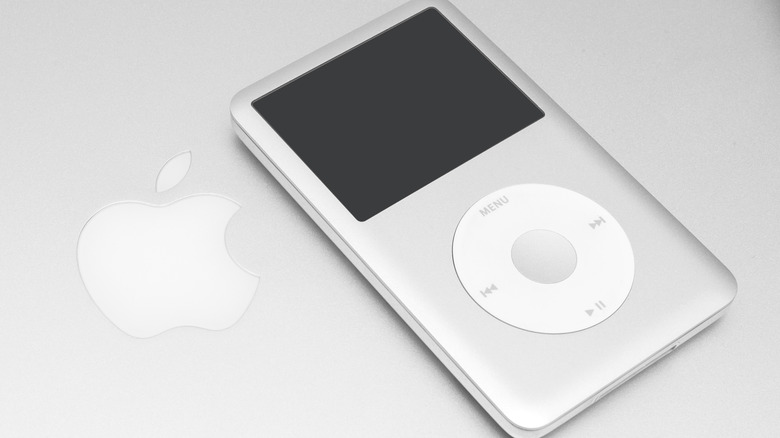
The design of the iPod was revolutionary in 2001, with a rotating wheel-and-button on its face that slowly evolved into the iconic click wheel. The technology gave you simple, one-handed navigation, providing quick access to large libraries of music and other content. The iPod Classic stayed true to the original iPod’s simple design philosophy, relying on the click wheel and just a few physical buttons to make navigating with your thumb fast and intuitive. Rival digital players like iRiver may have packed in more features, but the software and design were clunky. By comparison, the iPod’s simpler wheel-and-button interface felt far more elegant.
The old-school iPods are even making a comeback in some quarters, in part because they offer a clean look with distraction-free listening, including that convenient Hold switch. Apple’s minimalist approach is likely to continue with the upcoming 20th anniversary iPhone, which could feature the company’s most futuristic design yet.