Read more at:
A modern Android phone comes with numerous protections against attacks, yet new threats emerge online every day. Though many may argue that there’s no need for Android antivirus apps anymore, the fact remains that you never know what you will find on the internet. Mistakes can still happen, and there is a risk of encountering something nefarious on your device. Fortunately, we know some signs to look out for if you think your Android phone has been infected with a virus.
There can be several tells that a device is under attack. Primarily, these signs include your phone behaving differently than you would usually expect, finding apps or content you didn’t install, or questionable activity on your accounts without your knowledge. There may also be physical signs, depending on how the threat operates, like your device running hot or the battery draining more quickly. Remember that a threat isn’t just about your phone’s performance; it may also be a matter of your critical information being compromised.
If you believe you’re the victim of a virus or attack, contact your service provider to see what can be done to protect your device, and notify your financial institutions so they’re aware of any potential issues. Be sure to change your passwords, as well. It may also be a good idea to research your area to see if an authorized repair service is available. Your cellular provider may also have recommendations.
Signs your Android phone has been infected
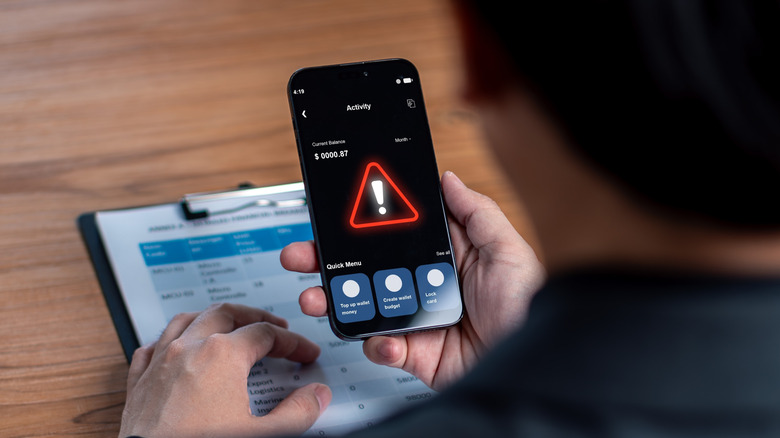
There are ways to tell if you suspect your Android device is compromised. Something you should always watch for is unexpected or unusual behavior on your Android phone. If your phone is sending messages or making calls without your consent, that can be a major red flag, as can apps opening on their own. Random pop-ups or even apps installing themselves can be a huge tell, especially if you’re receiving more pop-ups than usual or from places you typically don’t get them.
If you notice someone other than you accessing your online accounts, it can be a major indicator that your device is under threat, and may even signal that someone has stolen your credentials. Also, be on the lookout for excessive data usage or a sudden spike, which may result in higher phone bills if a malicious app is accessing your network or data. Some signs that something is amiss include your battery draining more quickly or your phone getting hotter more frequently. While your device may just be older, it could also be a sign that a malicious app is draining your battery.
Essentially, if your device is doing something it typically doesn’t, this should be a cause for concern. Should you discover an issue with your device, there are several steps you can take.
How to protect yourself from online threats

If you suspect you have a virus on your phone, there are steps you can take to mitigate the situation. First, try booting your Android phone into safe mode. This mode disables third-party apps, so if you’re in safe mode and nothing suspicious is happening, start looking at recently installed third-party apps and consider uninstalling them. Google also has an Advanced Protection feature in Android that offers additional security, including Theft Detection Lock and protections against unknown apps. We can also show you how to turn on Google’s Advanced Protection.
It’s also a good idea to check permissions for all your apps. Open the Settings app on your Android device and choose Apps. Select an App (or select See All Apps, then tap an app), and choose Permissions. See if any apps have permissions they shouldn’t. You should also check whether any unfamiliar apps are on this list while you’re here.
Lastly, make sure you’re only downloading apps from trusted sources, such as the Google Play Store. Avoid using public Wi-Fi or unsecure internet connections whenever possible, and be sure to update your apps and Android operating system frequently. You should also clear your Android cache periodically and use unique passwords for all logins (and log out from sites when you’re done). Remember that Google does offer its own Password Manager. Most importantly, remember to avoid suspicious links, especially in emails. If a link seems suspicious, it’s best to trust your gut.